


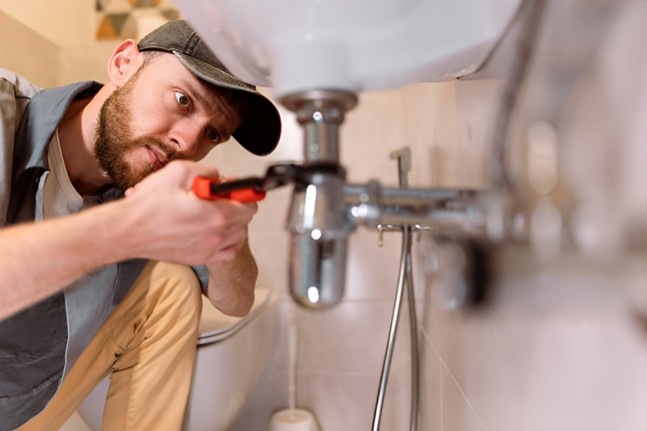
Nobody plans for a burst pipe on a Sunday evening, yet the same handful of plumbing dramas turn up in Sydney homes again and again. At Kalco Plumbing, we have patched, cleared and rescued local properties from these issues for years. This guide walks through the most common household plumbing problems, why they happen, and the simple habits that keep your pipes calm and drama free.
Key Takeaways
- Blocked drains usually start with grease, hair or wipes, not tree roots.
- A single dripping tap can waste thousands of litres of water a year.
- Ageing hot water systems almost always give warning signs before they fail.
- Low water pressure often points to a hidden leak or corroded pipework.
- Regular checks are far cheaper than an after hours emergency callout.
Blocked Drains: The Usual Suspect
Blocked drains are, without question, the most frequent call our plumbers receive across Sydney. Kitchen sinks slow to a trickle because cooking oil and food scraps cool and harden inside the pipe. Bathroom drains clog with hair and soap scum. Outdoor drains fill with leaves after a windy week. None of this is dramatic on its own, but left alone, it adds up to a full blockage at the worst possible time.
The fix is mostly about habit rather than hardware. Checking for leaks and fixing small issues early is one of the simplest ways households protect both their pipes and their water bill. For minor blockages, you can also try clear blocked drains before contacting a professional.
A few habits go a long way:
- Fit a hair catcher or strainer in every shower and sink.
- Let cooking oil cool, then bin it, rather than pouring it down the sink.
- Clear leaves and debris from outdoor grates before heavy rain.
- Book a professional drain check once a year, especially in older homes.
Leaking Taps and Fittings
A dripping tap seems harmless, but the numbers say otherwise. Even a slow drip can waste a surprising volume of water over a year, and that is before you factor in the stain it leaves in the sink or the damp patch creeping across the cabinet below. Worn washers, O-rings or valve seats are almost always the cause, and each is a quick, inexpensive swap for a licensed plumber. Better Homes and Gardens has a handy rundown of what is involved if you fancy a go yourself, though we would always recommend getting a professional opinion first if the leak keeps returning.
Watch for these early warning signs:
- A faint but constant drip, even after the tap is turned off firmly.
- Water marks or rust forming around the base of the tap.
- A noticeable jump in your quarterly water bill with no other explanation.
Running or Faulty Toilets
A toilet that keeps running after each flush is one of the sneakier water wasters in an Australian home. It is usually a worn flapper valve, a fill valve that will not shut off properly, or a chain that has come loose inside the cistern. None of these are difficult fixes for a professional, and catching the problem early avoids the constant background hiss that many households simply learn to live with.
- Listen for a faint hissing sound between flushes.
- Check whether the water level in the cistern sits above the overflow tube.
- Have the internal components replaced rather than repeatedly patched.
Hot Water System Hiccups
Few things disrupt a morning like a cold shower you were not expecting. Hot water systems generally give some warning before they fail outright, including inconsistent temperatures, unusual noises from the tank, or water that looks slightly discoloured. Sediment build up inside older storage tanks is a common culprit, particularly in systems over eight to ten years old. Kalco Plumbing installs and services all major brands.
- Have your system serviced annually to clear sediment and check the anode.
- Set the thermostat around 60 degrees Celsius to limit scale build up.
- Replace units older than ten years before they fail without warning.
Low Water Pressure
Weak flow from the shower or kitchen tap is frustrating, and it can come from several places. Mineral deposits narrow the inside of ageing pipes. A partially closed valve somewhere in the system restricts flow without you realising. In some cases, low pressure points to a hidden leak diverting water before it ever reaches the tap. Because the causes overlap so much, a proper diagnosis from a licensed plumber saves a lot of guesswork.
Hidden Leaks, Water Damage and Mould
The plumbing problems that cause the most damage are often the ones you cannot see. A slow leak behind a wall or under a floor can run for months, warping timber, lifting tiles and creating the damp conditions mould needs to take hold. Asthma Australia points out that mould commonly grows around leaky pipes, showers and laundries, and any level of it is considered unsafe for people with respiratory conditions. The National Asthma Council recommends treating rising damp and fixing leaks as soon as they are found, which lines up with what our plumbers see every week.
- Check under sinks and around toilets for soft, discoloured flooring.
- Investigate musty smells promptly, even without visible water.
- Keep bathrooms and laundries well ventilated to limit condensation.
Building a Simple Prevention Routine
Most household plumbing dramas share a common thread: small warning signs that go unnoticed for too long. Spotting the early signs of trouble and acting quickly is the difference between a minor fix and a major repair bill. A short seasonal checklist helps:
- Test water pressure and check visible pipes every few months.
- Clear gutters and outdoor drains before the wet season arrives.
- Book an annual inspection, particularly for homes over twenty years old.
- Keep the number for a trusted local plumber somewhere handy.
Conclusion
Small plumbing niggles rarely stay small for long, but a little awareness and regular maintenance keeps most of them at bay. If something in your home does not feel quite right, do not wait for it to turn into an emergency. Contact us today and let our licensed Sydney plumbers sort it properly, the first time around.
FAQs:
What is the most common plumbing problem in Australian homes?
Blocked drains, usually caused by grease, hair, wipes or tree roots entering the household pipework.
How do I stop my drains from blocking?
Fit drain strainers, avoid tipping oil down the sink, and only flush toilet paper down the loo.
Why does my hot water system keep failing?
Sediment build up and age reduce efficiency, so most systems need servicing about every twelve months.
Is low water pressure a sign of a leak?
Sometimes. Hidden leaks, corroded pipes or a faulty pressure regulator can all reduce your water pressure.
How often should I get my plumbing inspected?
Once a year suits most homes, though older properties with ageing pipework benefit from more frequent checks.
Can I fix a leaking tap myself?
Minor leaks from worn washers are often simple DIY jobs, but persistent leaks are best left to a licensed plumber.