


A slow sink or gurgling toilet is often the first warning sign of a blocked drain. Left alone, it can lead to overflows, odours and costly repairs. At Kalco Plumbing, we clear blocked drains across Sydney, the Blue Mountains and the Central Coast every week. This guide explains the most common causes of blocked drains, how to spot early warning signs and how to prevent problems.
Key Takeaways
- Wet wipes are the leading cause of sewer blockages.
- Fats, oils and grease harden inside pipes over time.
- Tree roots are a major cause of pipe damage in Sydney.
- Only pee, poo and toilet paper belong in the toilet.
- Early action prevents small blockages becoming big repairs.
Why Blocked Drains Are So Common
Drains carry far more than water. Every day, food scraps, soap, hair, and other waste travel through household pipes. When the wrong items go down, they build up and restrict the flow.
The scale of the problem is significant. According to Sydney Water’s guide to wastewater blockages, the utility clears around 20,000 blockages each year at a cost of roughly $27 million. Homeowners are responsible for the private pipes on their own property, so many of these problems end up on the household bill.
1. Wet Wipes and Other Unflushable Items
Wet wipes are the single biggest cause of sewer blockages. As Kempsey Shire Council warns, wet wipes are responsible for around 75 percent of all sewer blockages.
Many wipes are labelled flushable, but they do not break down like toilet paper. CHOICE tested 12 wipe brands and found that all of them stayed largely intact while toilet paper broke apart within minutes. CHOICE also reports that household repair bills from wipe blockages can range from $1,000 to $16,000.
Other items that should never be flushed include:
- Paper towels and tissues
- Cotton buds and cotton balls
- Sanitary products
- Dental floss
- Cat litter
2. Fats, Oils and Grease
Cooking fat may look harmless when it is hot and runny. Once it cools, it hardens inside pipes and traps other waste. Over time, this creates thick deposits that narrow the pipe.
When fat combines with wipes and debris, it can form fatbergs. ABC News explains that leftover roast fats act like glue in the sewer system, and that the problem tends to worsen in winter when cold temperatures cause oils to solidify faster.
Researchers are working on solutions. RMIT University reports that traditional grease traps remove around 40 percent of fats, while a new system developed by its researchers can remove up to 98 percent.
To protect your kitchen drain:
- Let fat cool, pour it into a container and place it in the bin.
- Wipe greasy pans with a paper towel before washing.
- Use a sink strainer to catch food scraps.
- Avoid pouring coffee grounds down the sink.
3. Tree Roots
Tree roots are one of the most damaging causes of blocked drains, especially in older Sydney suburbs. Roots are drawn to the moisture and nutrients inside pipes. They enter through tiny cracks or loose joints, then grow and spread until they block the flow.
Research from Macquarie University, published in Landscape and Urban Planning, analysed about 902 kilometres of Sydney sewer pipes and nearly 3,000 blockage events. It found that fig species, including the Chinese banyan, were particularly problematic, and that factors such as slope, soil salinity, and pipe material strongly influenced blockage risk.
The problem is widespread. A University of South Australia review in the journal Sustainability found that tree root intrusions made up 58.9 percent of pipe failures managed by SA Water in 2020. As Inside Local Government reports, cutting roots or using chemicals is rarely a permanent fix, because roots often grow back more aggressively.
4. Hair and Soap Scum
Bathroom drains collect hair every day. On its own, hair may pass through, but it quickly combines with soap residue to form stubborn clumps. Shower and basin drains are especially prone to this type of blockage.
A simple drain cover can catch most hair before it enters the pipe. Cleaning the cover regularly and flushing the drain with hot water once a week can also help reduce build-up. Avoid relying on harsh chemical cleaners, which may damage older pipes over time.
5. Food Scraps
Rice, pasta, vegetable peels, and eggshells can swell or settle inside kitchen pipes. Even small amounts add up over time, especially when combined with grease.
6. Damaged or Ageing Pipes
Older clay and cast iron pipes can crack, sag or shift over time. Ground movement, heavy vehicles and nearby construction can all cause damage. Once a pipe is misaligned or broken, waste collects in the weak spot and blockages become a regular problem.
7. Stormwater Debris
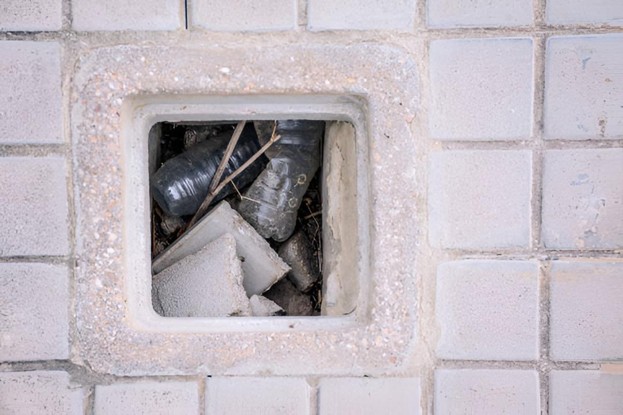
Outdoor drains can fill with leaves, soil, sticks, and rubbish, especially after storms. Blocked stormwater drains can cause water to pool around your home, increasing the risk of flooding and water damage.
Warning Signs of a Blocked Drain
Watch for these early signs:
- Water draining slowly from sinks, showers or baths
- Gurgling sounds from drains or toilets
- Unpleasant odours coming from plugholes
- Water backing up into other fixtures
- Overflowing gully traps outside the home
If the problem keeps returning, it is time to call a professional.
How to Prevent Blocked Drains
- Follow the three Ps: only pee, poo and paper go down the toilet.
- Keep fats, oils and grease out of the sink.
- Use strainers in kitchen and bathroom drains.
- Choose trees carefully and plant them away from sewer lines.
- Book a drain inspection if you notice recurring problems.
When to Call a Professional
Some blockages are too deep, stubborn or recurring to fix with a plunger. Professional tools such as high-pressure jetting and CCTV drain cameras help locate the cause and clear blocked drains properly. At Kalco Plumbing, our blocked drain services cover kitchen sinks, toilets, sewers and stormwater drains.
Conclusion
Most blocked drains are caused by everyday habits, from flushing wipes to pouring fat down the sink, along with tree roots and ageing pipes. Knowing the causes helps you prevent costly damage and act early. If your drains are slow, smelly or overflowing, Kalco Plumbing is ready to help. Contact us today for fast, reliable drain clearing.
FAQs:
What is the most common cause of blocked drains?
Wet wipes are the most common cause, contributing to around 75 percent of sewer blockages in many areas.
Can tree roots block drains?
Yes. Tree roots enter pipes through small cracks or joints, then grow and restrict or completely block flow.
Are flushable wipes safe to flush?
No. Most flushable wipes do not break down like toilet paper and can cause serious drain blockages.
How do I know if my drain is blocked?
Common signs include slow draining water, gurgling sounds, bad odours, and water backing up into fixtures.
Who is responsible for a blocked drain in Sydney?
Homeowners are generally responsible for private pipes on their property, while Sydney Water manages the main network.
How can I prevent blocked drains?
Only flush the three Ps, keep fat out of sinks, use strainers, and book regular drain inspections.