


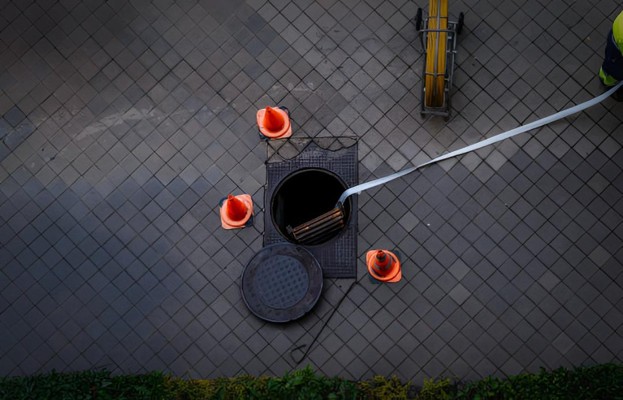
When a drain keeps blocking or a pipe starts leaking underground, guessing the cause can be costly. At Kalco Plumbing, we use CCTV drain cameras to see exactly what is happening inside your pipes before any work begins. This article explains how CCTV drain inspections work, why they save time and money, and when Sydney property owners should consider booking one.
Key Takeaways
- CCTV cameras show the exact cause and location of drain problems.
- Accurate diagnosis avoids unnecessary digging and guesswork.
- Inspections help catch small defects before they become major repairs.
- Video footage supports insurance claims and property decisions.
- Regular inspections suit older homes and recurring blockages.
What Is a CCTV Drain Inspection?
A CCTV drain inspection uses a small waterproof camera mounted on a flexible cable or crawler. A licensed plumber feeds the camera into the drain through an access point, such as an inspection opening or gully trap.
As the camera travels through the pipe, it sends live video to a screen above ground. The plumber can see cracks, root intrusion, blockages, sagging sections, and misaligned joints in real time. Many systems also record the footage and track the distance travelled, so the exact location of any defect can be marked.
Why Guesswork Is So Expensive
Without a camera, plumbers often have to rely on symptoms alone. A slow drain might be caused by grease, tree roots, a collapsed pipe or a simple blockage. Treating the wrong problem means repeat callouts, wasted time and higher bills.
Sydney’s drainage network is vast. According to IPART’s review of Sydney Water’s operating licence, the utility manages around 24,000 kilometres of smaller reticulation wastewater pipes. With so much pipe underground, finding problems quickly and accurately matters for both utilities and property owners.
How CCTV Inspections Save Time
- Faster Diagnosis: The camera shows the cause within minutes rather than hours of trial and error.
- Precise Location: The plumber knows exactly where the problem sits, so there is no need to dig in several places.
- Right Tools First Time: Knowing the cause helps the plumber choose the correct solution, whether that is jetting, root cutting, or pipe repair.
- Fewer Repeat Visits: Fixing the real problem reduces the chance of the blockage returning soon after.
How CCTV Inspections Save Money
The financial benefits often outweigh the cost of the inspection itself.
- Less Excavation: Digging up driveways, lawns or floors is expensive. A camera helps limit digging to the exact spot that needs repair.
- Early Detection: Small cracks and minor root growth are far cheaper to fix than collapsed pipes.
- Better Repair Choices: Footage helps identify whether a section can be cleared, patched, relined or must be replaced.
- Avoiding Water Damage: Catching leaks early can prevent damage to foundations, walls, and gardens.
Why Camera Footage Beats Guesswork
Even trained eyes can miss defects. Research reported by the Australian Water Association analysed 203 inspection videos covering 3,594 metres of sewer and stormwater pipes in Victoria. It found that human operators missed 36.6 percent of defects, highlighting how much detail is hidden inside pipes and why clear, recorded footage is so valuable.
Modern inspection technology continues to improve. Industry publication Trenchless Australasia has outlined how CCTV, laser and sonar tools are used together for internal condition assessment of pipelines, giving asset owners a clearer picture of pipe condition.
Common Problems a CCTV Camera Can Find
- Tree root intrusion through cracks and joints
- Grease and fat build-up
- Foreign objects such as wipes or toys
- Cracked, broken or collapsed pipes
- Sagging sections where waste collects
- Misaligned or separated joints
- Corrosion in older metal pipes
Blockage management is a long-standing challenge across Australian networks. A study on sewer blockage management from an Australian perspective, published in the Journal of Pipeline Systems Engineering and Practice, examined how utilities manage blockages and tree root intrusion. Proactive monitoring is also gaining attention, as shown in research on proactive detection of wastewater overflows in South Australia published in the Journal of Water Resources Planning and Management.
When Should You Book a CCTV Drain Inspection?
A camera inspection is worth considering when you notice any of these signs that need professional attention, such as:
- Drains Block Repeatedly: Recurring blockages usually point to an underlying issue.
- You Notice Bad Odours: Persistent smells can signal a cracked or damaged pipe.
- Water Pools in the Yard: Soggy patches may indicate an underground leak.
- You are Buying a Property: Older homes can hide damaged drains that are costly to replace.
- You are Planning Renovations: Knowing pipe condition helps avoid surprises during building work.
- Trees Grow Near Pipes: Large trees close to drainage lines increase the risk of root damage.
Preparing for Your Inspection
A little preparation helps the inspection run smoothly. Make sure the plumber can reach inspection openings, gully traps and the sewer boundary trap. Clear away pot plants or stored items that cover access points, and share any history of past blockages or repairs. If you have a sewer service diagram, keep it handy too.
CCTV Inspections and Insurance
Recorded footage provides clear evidence of a pipe’s condition. This can be helpful when lodging insurance claims, resolving disputes with neighbours or councils about shared drains, or confirming that repairs have been completed properly.
What Happens After the Inspection?
Once the inspection is complete, your plumber will explain the findings and recommend the most suitable solution. Depending on the problem, this may include:
- High-pressure water jetting to clear grease and roots
- Electric eel cleaning for stubborn blockages
- Spot repairs to damaged sections
- Pipe relining or replacement for severe damage
For small blockages between inspections, our [DIY guide to clearing blocked drains](blog2) outlines some safe first steps. For anything more serious, our blocked drain services at Kalco Plumbing cover sinks, toilets, sewers, and stormwater lines across Sydney.
Is a CCTV Drain Inspection Worth It?
For most property owners, the answer is yes. A single inspection can prevent repeated callouts, unnecessary excavation and major repair bills. It also gives you peace of mind, knowing exactly what is happening beneath your home or business.
Conclusion
CCTV drain inspections take the guesswork out of plumbing repairs. They pinpoint problems quickly, reduce digging and help you fix issues before they become costly emergencies. If your drains keep blocking, smell unpleasant or you are buying a property, Kalco Plumbing can help. Contact us today to book a CCTV drain inspection.
FAQs:
What is a CCTV drain inspection?
It is a camera inspection that lets a plumber see inside drains and pipes to identify blockages and damage.
Is a CCTV drain inspection worth the money?
Yes. It finds the exact cause of problems, reducing unnecessary digging, repeat callouts and costly guesswork.
Can a drain camera find tree roots?
Yes. CCTV cameras clearly show tree roots entering through cracks or joints, along with their exact location.
How long does a CCTV drain inspection take?
Most residential inspections are completed in a single visit, depending on pipe length, access and drain condition.
Should I get a drain inspection before buying a house?
Yes. A pre-purchase drain inspection can reveal hidden pipe damage that may be expensive to repair later.
Can a CCTV camera detect leaks in pipes?
It can reveal cracks, breaks and joint gaps that often cause leaks, helping plumbers plan accurate repairs.