


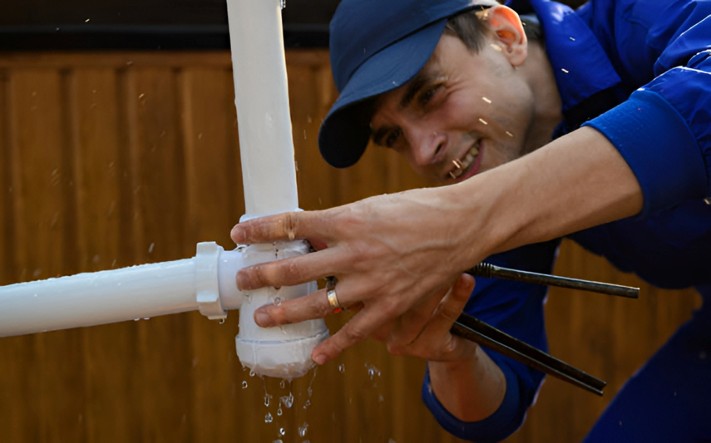
Small plumbing problems rarely stay small for long. A dripping tap, a gurgling drain, or a damp patch on the ceiling can be an early warning that something needs attention. Kalco Plumbing helps Sydney homeowners identify these warning signs early, so they can arrange professional repairs before minor plumbing issues become costly problems. This guide covers the key signs that it may be time to call a professional plumber.
Key Takeaways
- Persistent drips, gurgling drains and damp patches are early warning signs, not just inconveniences.
- Ignoring a blocked drain or a gas smell can turn a cheap fix into a costly emergency.
- Licensed plumbers protect your home, your insurance cover and your family’s safety.
- Simple, regular maintenance checks help you catch problems long before they escalate.
- Water damage is one of the most common and costly home insurance claims in Australia.
Persistent Dripping Taps and Rising Water Bills
A single dripping tap might feel like a minor annoyance, yet it can waste a surprising amount of water and money over a year. If washers, cartridges or seals are worn, the drip usually gets worse rather than better on its own. The basics, but persistent leaking tap, corroded fittings or a jump in your water bill are strong signs the problem needs a licensed professional. According to Smart Water Advice, even small everyday leaks add up to significant household water waste over time, which is exactly why they are worth fixing early.
Slow Drains and Gurgling Noises
Water that lingers in the sink, a shower that pools around your ankles, or a toilet that gurgles after flushing are all classic signs of a developing blockage. Hair, grease, soap scum and tree roots are common culprits, and what starts as a slow drain can escalate into a complete blockage or a burst pipe if it is left untreated.
- Water draining slowly from sinks, showers or the bath
- Gurgling or bubbling sounds after you flush or drain water
- A recurring bad smell near a floor waste or outdoor drain
- More than one fixture backing up at the same time
If you are noticing any of these, blocked drain service at Kalco Plumbing is designed to clear the blockage properly and prevent it from returning.
Low or Uneven Water Pressure
A sudden drop in water pressure, or pressure that varies wildly between taps, often points to a hidden leak, mineral build-up inside old pipework, or a fault with your water meter or pressure valve. Weak pressure across the whole property, rather than just one tap, usually means the issue sits further back in your plumbing system and needs a proper inspection rather than a quick fix.
The Smell of Gas Near Appliances or Pipes
A persistent rotten-egg smell near your stove, heater or gas meter should never be ignored. Natural gas is treated with an odorant so leaks can be detected early, and any suspected leak is always a job for a licensed gas fitter, never a DIY repair. If you notice this smell, ventilate the area, avoid naked flames or switches, and call a professional immediately.
Water Stains, Damp Patches and Mould
Yellow or brown stains on ceilings and walls, peeling paint, or a musty smell in a room are often the first visible signs of a hidden pipe leak. Left unchecked, ongoing dampness creates the perfect conditions for mould, which ABC News reports can trigger allergy symptoms and worsen conditions such as asthma. An Australian integrative review published in the International Journal of Environmental Research and Public Health similarly links mould-affected housing to a range of respiratory and allergy-related health impacts. The Mould Awareness Council Australia also collects further reading on the topic if you would like to understand the health risks in more depth.
Banging Pipes and Strange Sounds
A loud bang or knock when you turn a tap off, known as water hammer, happens when moving water is stopped suddenly and sends a shockwave through the pipes. Occasional water hammer might just need a pressure adjustment, but frequent or worsening noise can loosen fittings and joints over time, which is worth having checked before it causes a leak.
Old, Corroded or Discoloured Pipes
Homes with original pipework from decades past are more likely to experience corrosion, reduced water quality and an increased risk of sudden failure. A study of household drinking water across New South Wales found that ageing plumbing fittings and fixtures were a significant source of metal contamination at the kitchen tap, underlining why older plumbing systems are worth having assessed by a professional, particularly ahead of a renovation.
Hot Water That Comes and Goes
Inconsistent hot water, a tank that takes longer to reheat, or unusual noises from your hot water unit can indicate sediment build-up, a failing element or a system reaching the end of its working life. Rather than living with cold showers, an inspection can confirm whether a repair or a replacement is the more cost-effective option for your household.
Unexplained Water Damage and Rising Costs
Water damage is one of the most frequent and expensive home insurance claims in Australia, with QBE Insurance research finding water incidents account for close to a quarter of all home insurance claims. CHOICE has also reported on the significant cost of burst pipes and flexible hose failures, while Canstar notes that documenting damage quickly makes a real difference to how smoothly an insurance claim proceeds. Acting on early warning signs is almost always cheaper than dealing with the aftermath.
Why a Licensed Plumber Makes All the Difference
Plumbing, draining and gasfitting work in New South Wales must be carried out, or supervised, by someone holding the correct licence through NSW Fair Trading. Unlicensed work can void your insurance and create real problems if you ever sell your home. A licensed plumber also provides a compliance certificate, giving you proof the work meets Australian standards and protecting you if anything goes wrong later.
Simple Habits That Prevent Bigger Problems
A few small habits go a long way toward keeping your plumbing system healthy between professional check-ups.
- Avoid pouring fat, oil or coffee grounds down the kitchen sink
- Use drain guards to catch hair and food scraps before they build up
- Check under sinks and around the hot water unit for early signs of moisture
- Book a periodic plumbing inspection rather than waiting for a visible problem
The Archicentre home maintenance checklist is a useful independent resource for building simple, regular home maintenance habits, including keeping an eye on your plumbing and drainage.
Conclusion
If any of these signs sound familiar, it is worth having a professional take a look sooner rather than later. Our licensed Sydney plumbers offer same day service, honest pricing and a free home inspection with every job, so small issues get resolved before they become costly ones. Contact us today to book an inspection or speak with our friendly team about any plumbing concern, big or small.
FAQs:
How do I know if I have a hidden water leak?
Watch for higher water bills, damp patches, musty smells or a water meter that keeps moving with taps off.
Is a dripping tap really worth calling a plumber for?
Yes, a dripping tap wastes water and money over time and often signals a worn washer or fitting.
What should I do if I smell gas in my home?
Leave the area, avoid switches or flames, and call a licensed gas fitter or emergency services straight away.
Can I clear a blocked drain myself?
Minor blockages can sometimes be cleared with a plunger, but recurring or multiple blockages need a professional.
How often should I have my plumbing inspected?
An annual check-up is a sensible baseline, or sooner if your home has older pipework or fittings.
Why does it matter if my plumber is licensed?
Licensed plumbers meet Australian standards, protect your insurance cover and provide proof the work was compliant.