


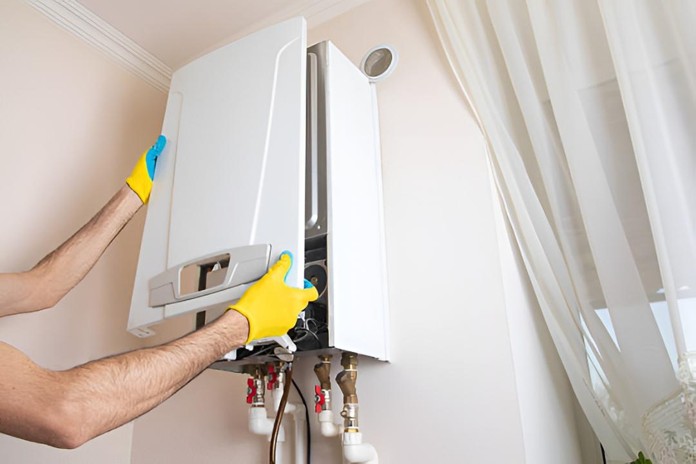
Hot water is something most Sydney households only think about when it stops working. Yet the system you choose affects your energy bills, comfort, and safety for years. At Kalco Plumbing, we install, repair, and replace hot water systems across Sydney every day. This guide explains the main options and the key factors to consider before you decide.
Key Takeaways
- Hot water uses about a quarter of home energy.
- Heat pumps are the most efficient option for most homes.
- Size the system to your household and usage.
- Safe delivery temperature is 50°C at bathroom outlets.
- Licensed installation protects safety and warranties.
Why Your Choice Matters
Hot water is one of the biggest energy users in any home. According to ARENA, domestic hot water accounts for about one quarter of household energy use and roughly 20 percent of residential greenhouse gas emissions.
ARENA also notes that natural gas powers more than 40 percent of domestic hot water systems in Australia. With gas prices expected to stay high, many households are reviewing their options.
A system usually lasts many years, so a thoughtful choice now can deliver lower bills and reliable comfort long into the future.
The Main Types of Hot Water Systems
1. Electric Storage
Electric storage systems heat water in a tank using an element. They are simple and affordable to buy.
- Lower upfront cost
- Easy to install and replace
- Higher running costs on peak tariffs
- Can be cheaper to run with your own solar
2. Gas Storage and Gas Continuous Flow
Gas storage systems keep a tank of hot water ready. Continuous flow units heat water only when a tap is turned on, so they never run out.
- Fast heating and endless supply with continuous flow
- Compact units suit smaller properties
- Running costs depend on gas prices
- Requires a gas connection
3. Heat Pump
Heat pumps work like a reverse cycle air conditioner in reverse. They draw heat from the surrounding air and transfer it into the water tank.
The Australian Conservation Foundation explains that heat pumps are two to three times more energy efficient than traditional electric or gas hot water heaters. Energy Magazine adds that they need roughly a third of the energy of conventional units.
4. Solar Hot Water
Solar systems use roof collectors to heat water with sunlight, with a gas or electric booster for cloudy days. They offer strong long term savings but cost more upfront and need suitable roof space.
Comparing Costs
Upfront and running costs vary widely. CHOICE shares indicative product prices, excluding installation:
- Electric Storage: $650 to $2,500
- Gas Instantaneous: $700 to $3,000
- Electric Heat Pump: $2,200 to $6,800
- Solar (Any Booster): $4,000 to $8,000
Running costs tell a different story. Using Sustainability Victoria figures for four people using 150 litres a day, CHOICE reports annual costs of $1,015 for electric storage on a peak tariff and $780 for gas storage. A heat pump costs around $435, or $300 with solar.
Make the Most of Rooftop Solar
If you have solar panels, timing matters. A UNSW study reported by One Step Off The Grid found that running a heat pump during the middle of the day could cut an average household’s annual electricity bill by up to $400.
The same research found heat pumps produce about 67 percent lower emissions than resistive electric systems, with payback periods of about 1.5 to 9 years.
Research from Murdoch University, published in the journal Renewable Energy and Environmental Sustainability, found that heat pumps combined with solar and battery technology achieved the lowest global warming potential of all the systems studied.
How to Choose the Right Size
A system that is too small leaves you with cold showers. One that is too large wastes energy. Consider:
- Household Size: More people need more capacity.
- Usage Patterns: Back-to-back showers increase demand.
- Number of Bathrooms: More outlets need stronger supply.
- Future Plans: Growing families may need extra capacity.
Performance also depends on your property. A study in the journal Energy and Buildings found that heat pump performance was mainly driven by its efficiency rating. Service levels were strongly influenced by the household’s electricity tariff, so specifications should suit each site.
Safety Comes First
Hot water must be both hot enough to stay safe from bacteria and cool enough at the tap to prevent burns.
The Public Health Association of Australia recommends delivering hot water at no more than 50°C at the point of use, while storing it at a minimum of 60°C to inhibit Legionella. It notes that at 68°C a severe scald can occur in under one second.
Children aged one to four and adults over 65 are most at risk. Plumbing Connection also reports that hot water systems installed before 5 August 1998 are likely to deliver water above 50°C.
A licensed plumber can fit a tempering valve to keep bathroom temperatures safe.
Rebates and Incentives in NSW
NSW households may qualify for support when upgrading. The Heat Pump Hot Water Rebate under the NSW Energy Savings Scheme is available when replacing an existing electric or gas system with an approved heat pump.
Installation must be completed by a licensed plumber or refrigerant-certified technician who meets Australian standards. Always check current eligibility before purchasing.
Quality and Professional Installation
Industry is working to raise standards. The Energy Efficiency Council launched a national roadmap in 2024 to promote quality heat pump products and professional installation.
Correct installation matters for safety, warranty and performance. At Kalco Plumbing, our team handles hot water installation for electric, gas and heat pump systems across Sydney.
Signs It Is Time to Replace Your System
Hot water systems can deteriorate over time, affecting comfort, efficiency, and reliability. Recognising these warning signs early can help you determine when repairs are no longer enough and replacement is worth considering.
- Water takes longer to heat or runs cold quickly
- Rusty or discoloured water
- Leaks around the tank or valves
- Strange noises from the unit
- Rising energy bills without explanation
Small issues can grow quickly.
Conclusion
The right hot water system balances upfront cost, running costs, household size, and safety. Heat pumps suit many Sydney homes, while gas and solar remain practical options in the right setting. Contact us today for expert advice and professional installation of a hot water system that suits your home and budget.
FAQs:
What is the most efficient hot water system in Australia?
Heat pump systems are generally the most efficient, using about a third of the energy of conventional electric units.
What size hot water system do I need?
Size depends on household size, number of bathrooms, and usage patterns. A licensed plumber can recommend the right capacity.
Is gas or electric hot water cheaper to run?
Heat pumps are usually cheapest to run, while conventional electric storage on peak tariffs is often the most expensive.
How long does a hot water system last?
Most hot water systems last around 8 to 15 years, depending on type, water quality and maintenance.
Are heat pump hot water systems worth it?
Yes, for many homes. They cut running costs and emissions, and rebates can help reduce upfront costs.
What temperature should hot water be at the tap?
Hot water should be delivered at no more than 50°C at bathroom outlets to reduce the risk of scalds.